Now It’s Your Turn!
Season 2: Episode 10
Summary: In the season two finale Anne hosts Doug and Betsy as they share family-history finds from archives, trunks, and keepsakes. Drawing on his father’s extensive genealogical collection, Doug highlights early-1900s correspondence between his grandparents Joseph Marconnet and Lillie Gray—courtship by letters, family objections, work in mines, and the lead-up to their 1912 marriage. He also shares snippets from Lillie’s diary and his maternal grandfather Hal Patterson’s reflective “Pat-o-graphs,” including notes on family life and Pearl Harbor. Betsy presents photos, postcards, and artifacts from her mother’s side, including her great-grandparents’ Beloit restaurants and a poor, mobile rural past, then describes tracing that line via Ancestry.com back to Plymouth Colony and English figures. The group wraps up by reflecting on journaling, tangible records, and plans for season three.
Doug’s paternal grandparents’ love letters:
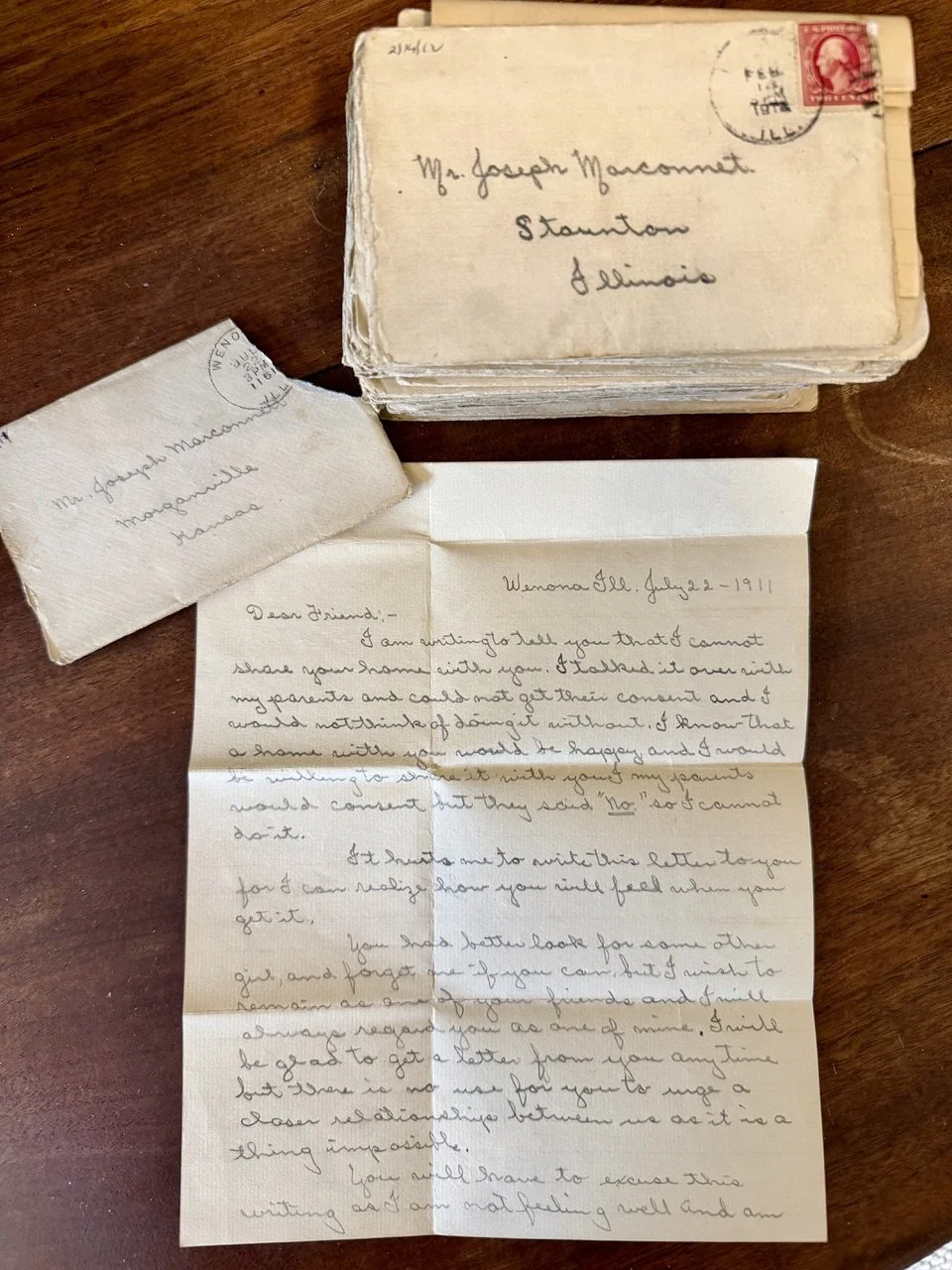
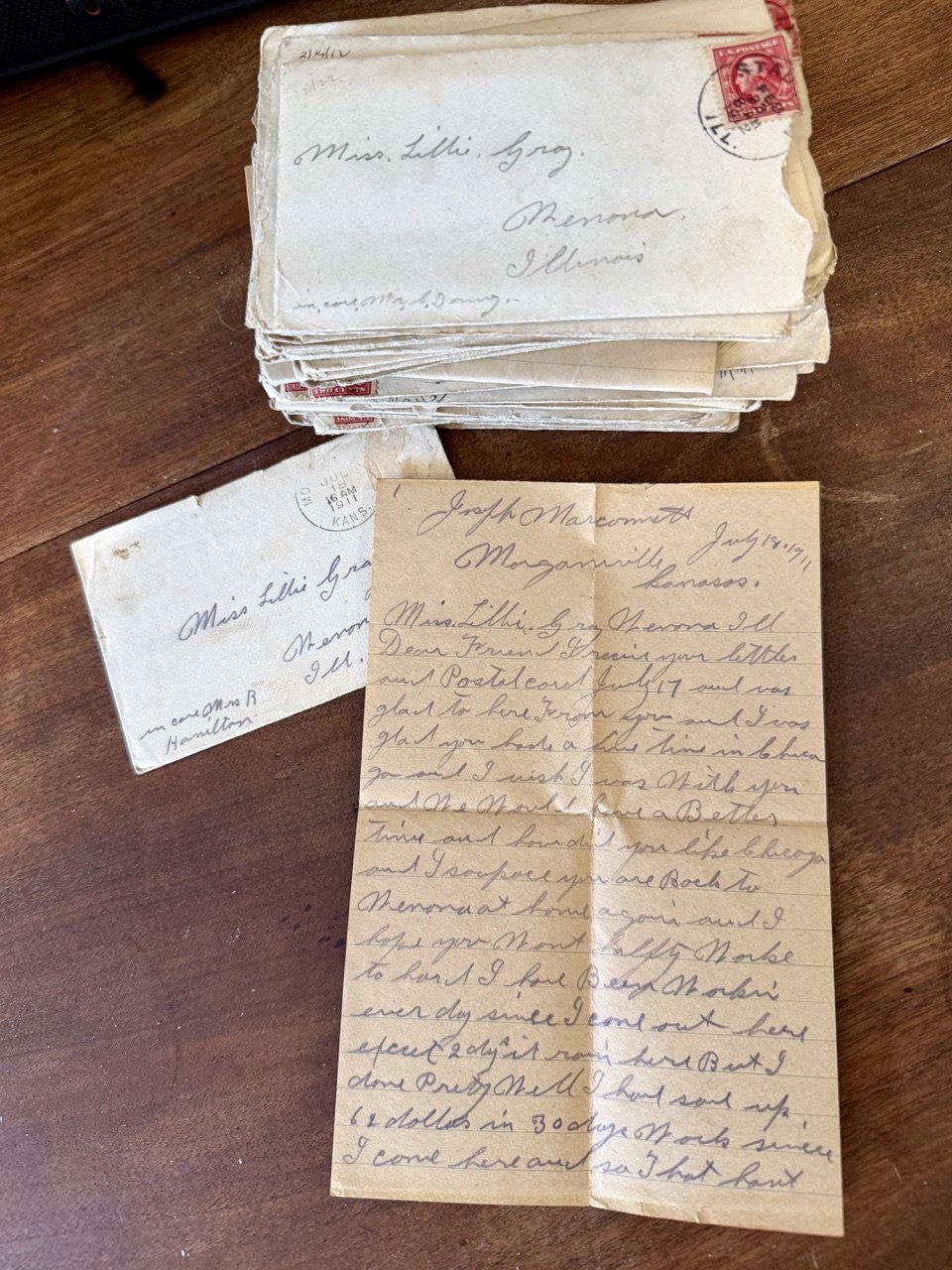
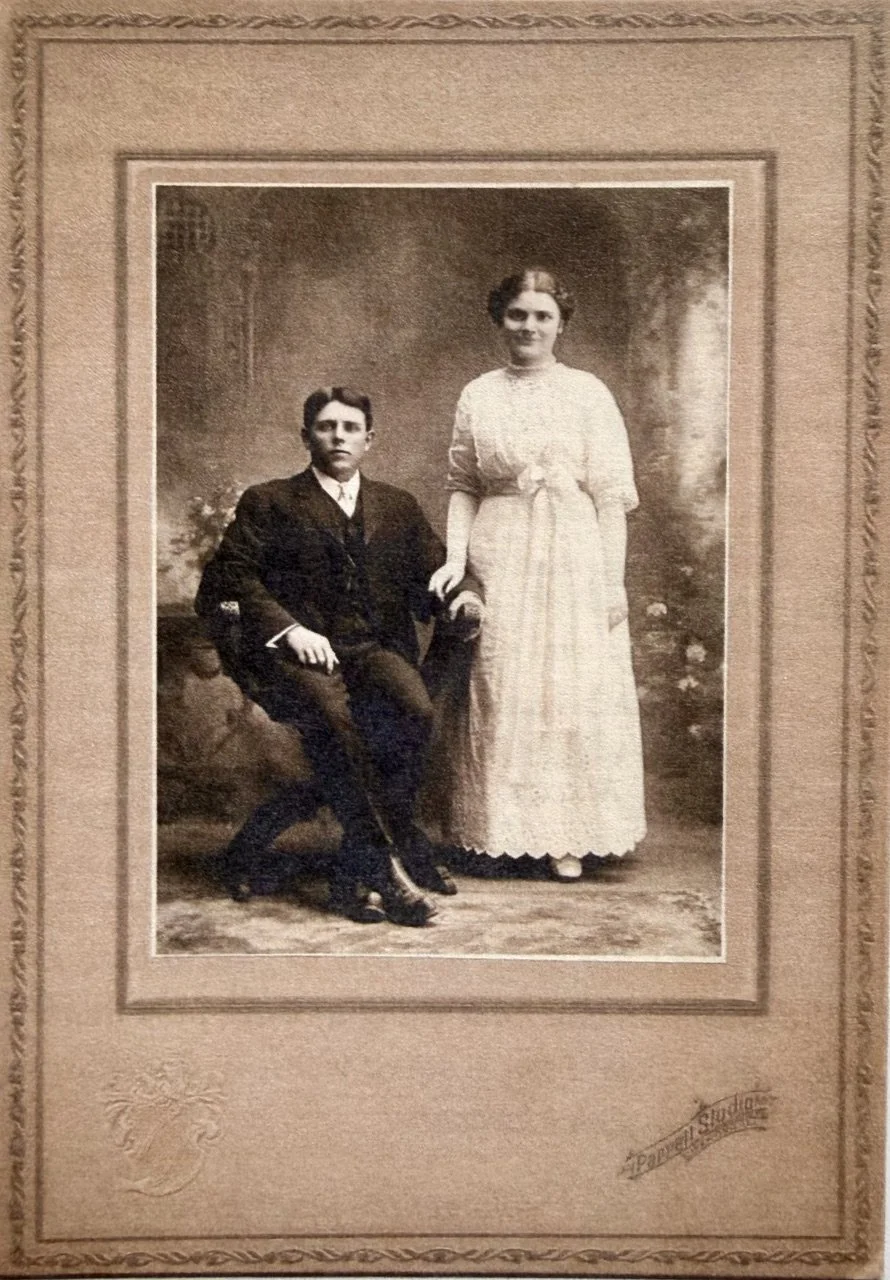
Joseph and Lillie Marconnet
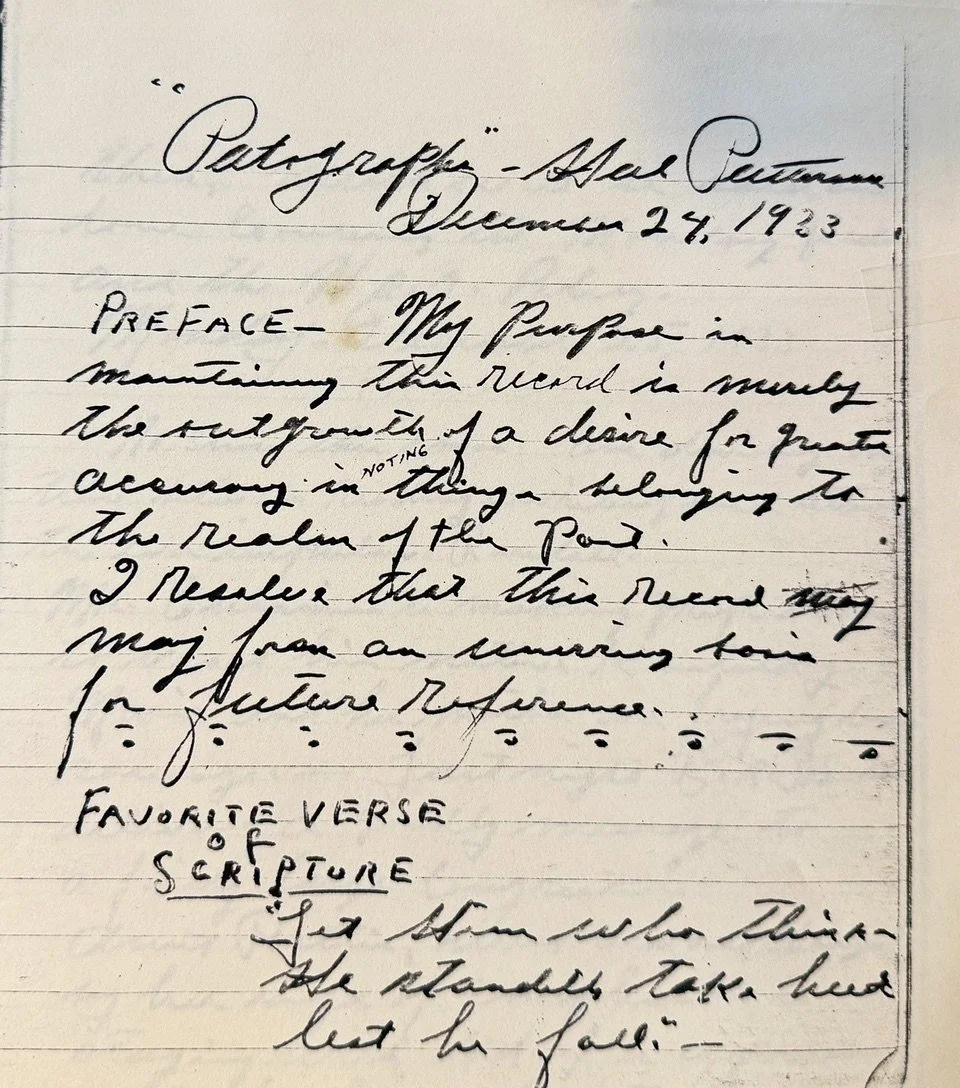
Doug’s maternal grandfather’s journal ("Patographs”)
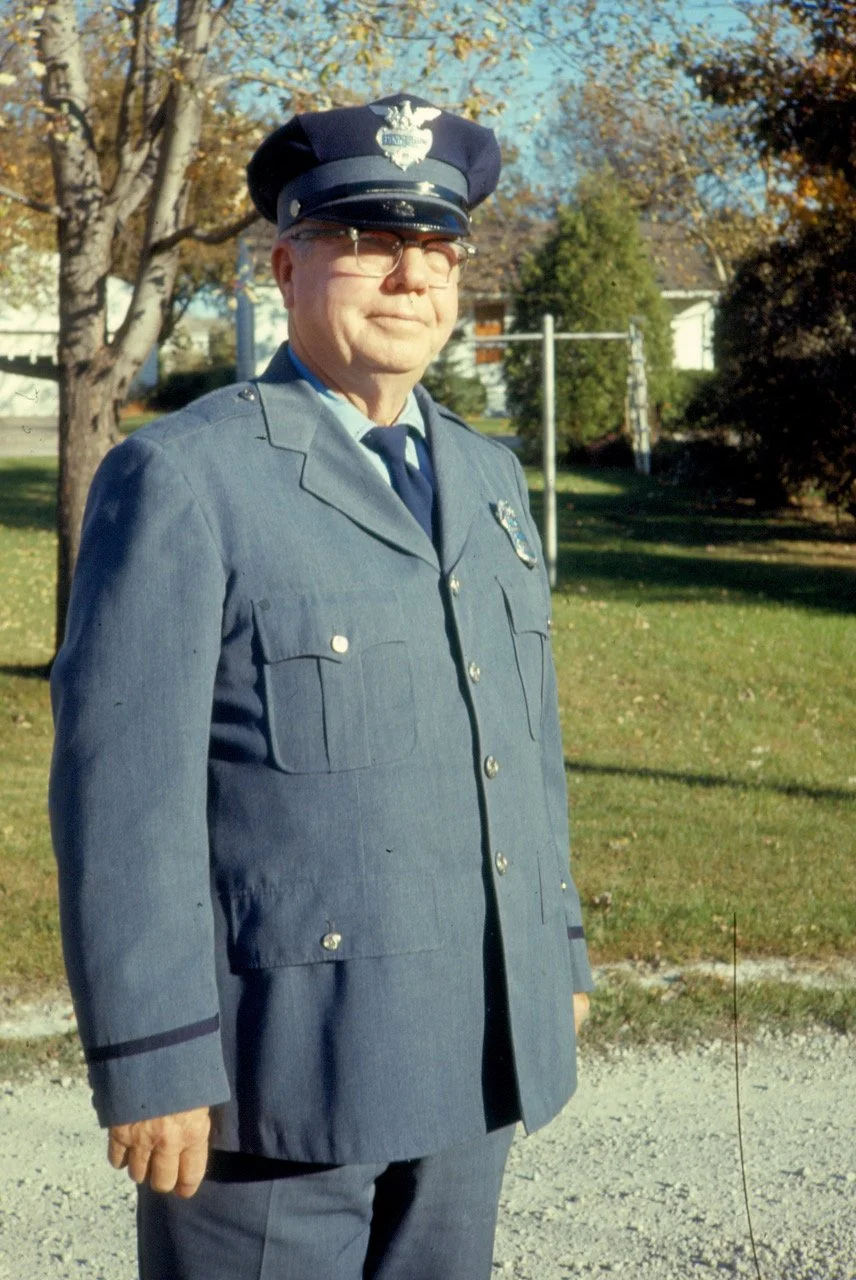
Hal Patterson
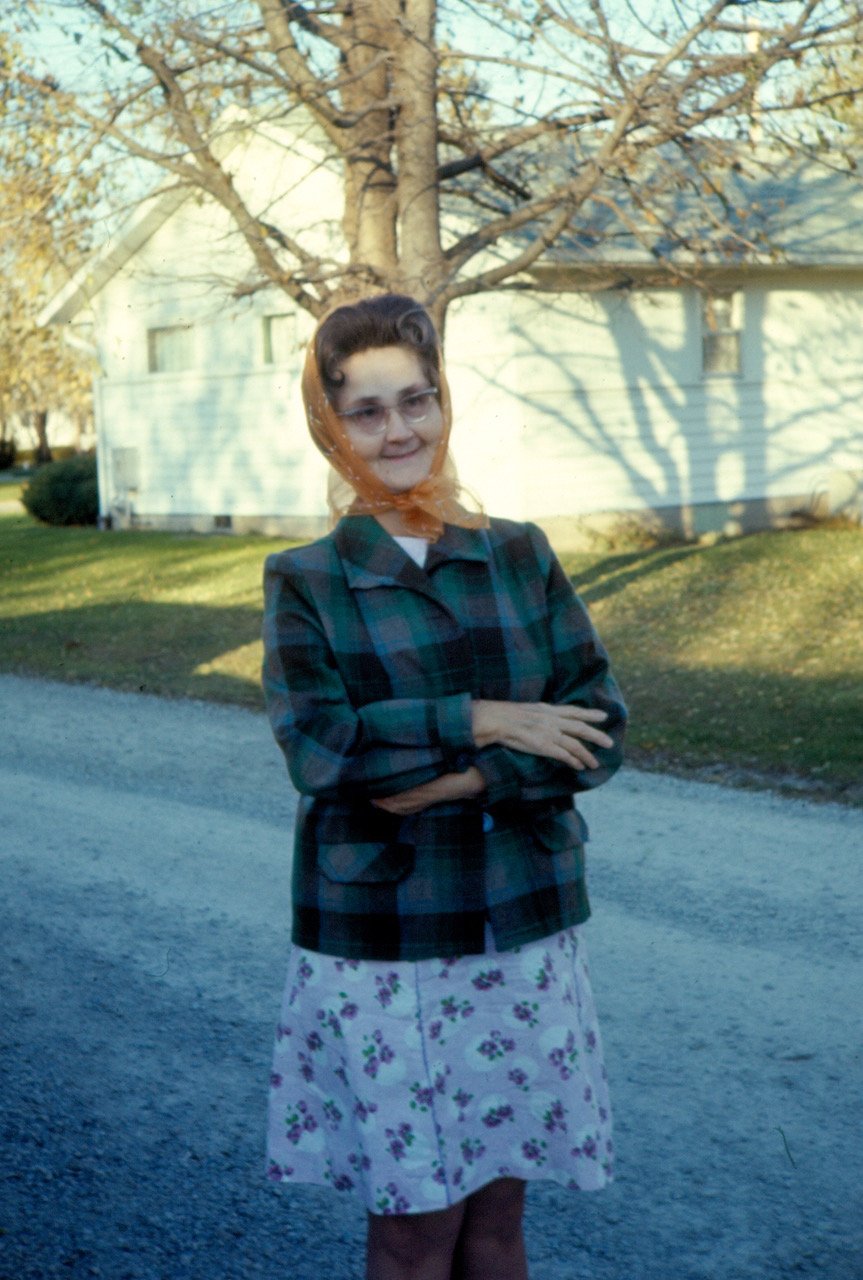
Marie Patterson
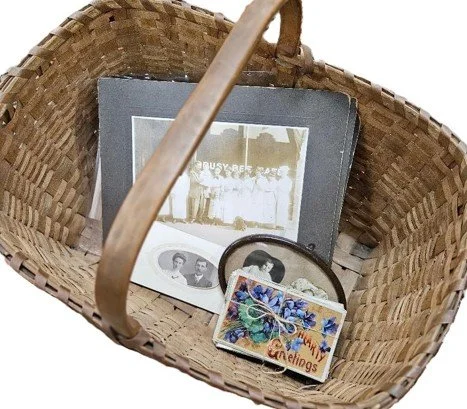
A collection of photographs, postcards, and family keepsakes was discovered in an old trunk after Betsy's mother's death. These fragile pieces of ancestral ephemera opened a window into a world previously unknown to her, connecting past generations with the present through the stories they left behind.
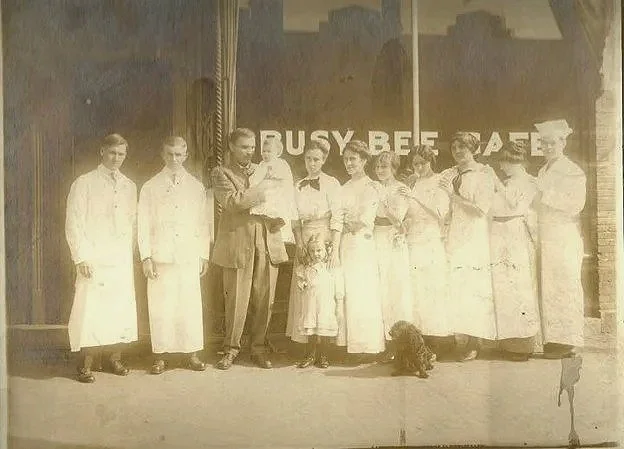
The Busy Bee Café, circa 1913
Standing before the Busy Bee Café in downtown Beloit around 1913 are Betsy's great-grandparents, Edgar Bryant and Frances Shane Bryant, together with members of their restaurant staff and family. Edgar, pictured in the suit at the center of the photograph, and Frances, standing immediately to his left, operated two restaurants in downtown Beloit between 1910 and 1917: the Busy Bee at 221 State Street and the Owl at 414 State Street.
More than a century later, Betsy works just a short walk from the sites of both family restaurants, discovering the quiet magic of sharing a landscape with ancestors she never knew, yet somehow meeting them through the places they left behind.
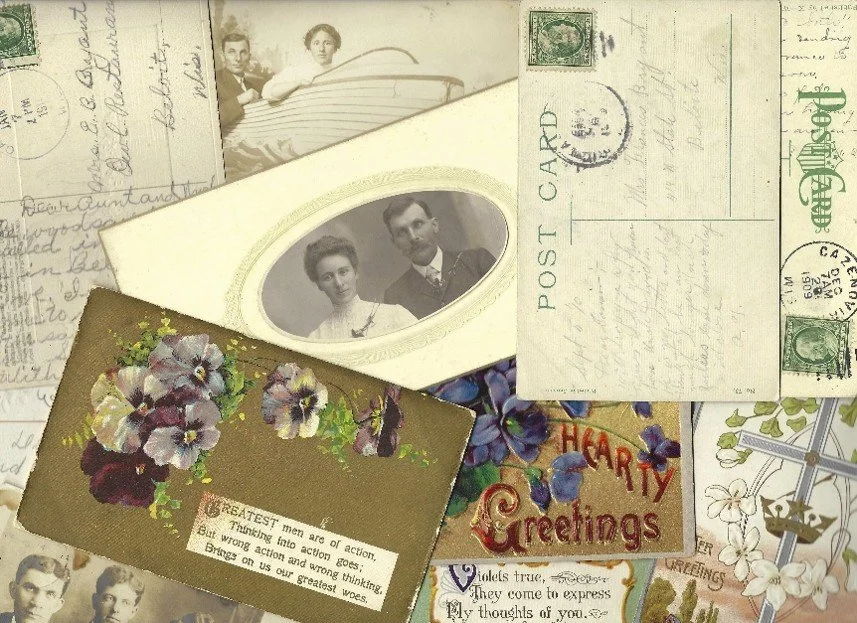
Post Cards
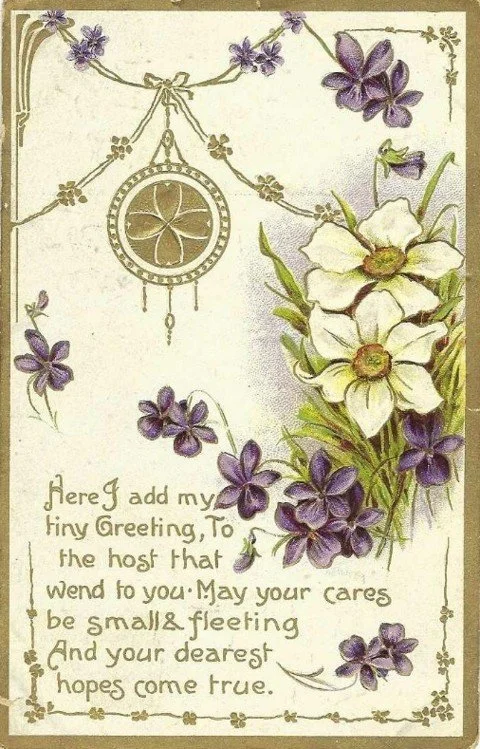
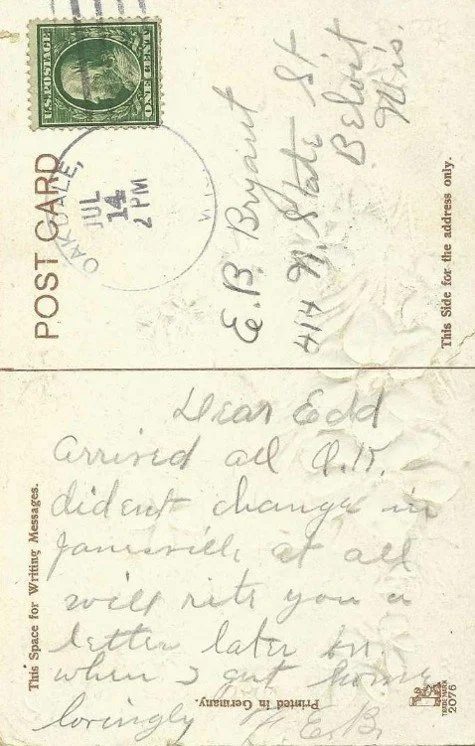
In the early 1900s, postcards were the text messages of their day. Affordable, fast, and delivered sometimes multiple times daily, they allowed friends and family to share quick updates, greetings, travel experiences, and everyday news long before telephones were common in most homes.
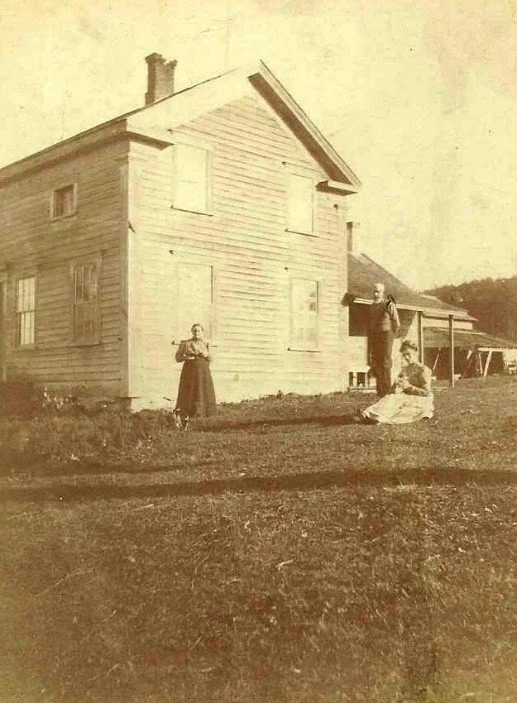
The Shane Family Farm, Oakdale, Wisconsin
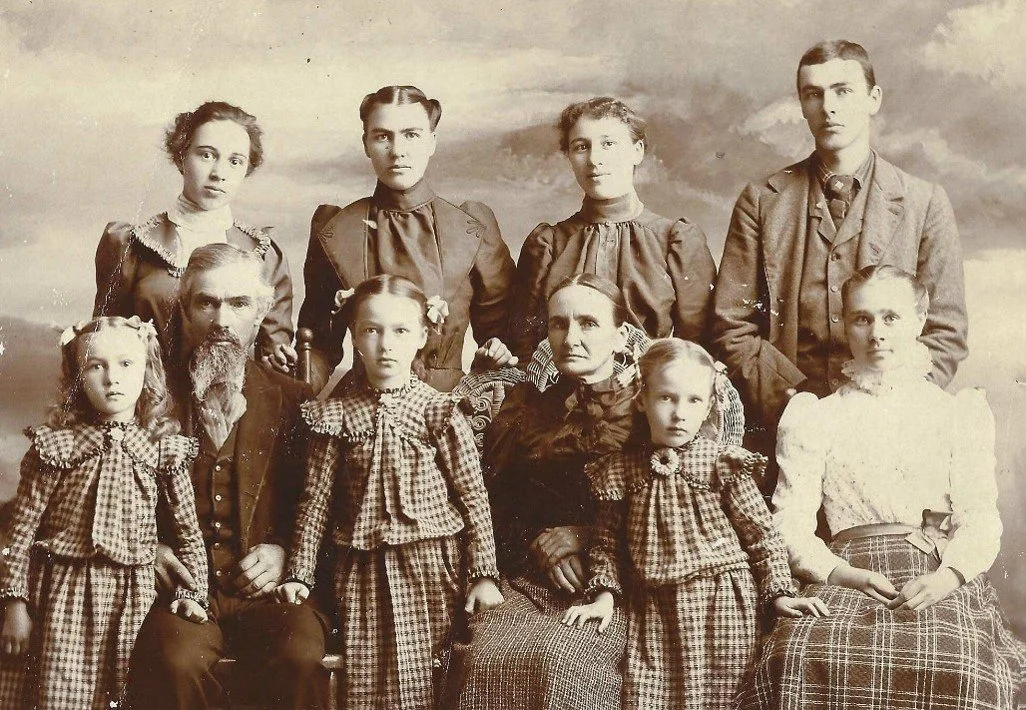
Top Row: Lula Shane (Hopkins), Sarah Jane Shane (Thompson), Frances Elizabeth Shane (Bryant), John Shane.
Bottom Row: Ruth Shane (Boynton), Joseph Wesley Shane, Orpha Shane, Amina Bethke (Shane), Mary Thompson (Daughter of Sarah) Mrs. John Shane
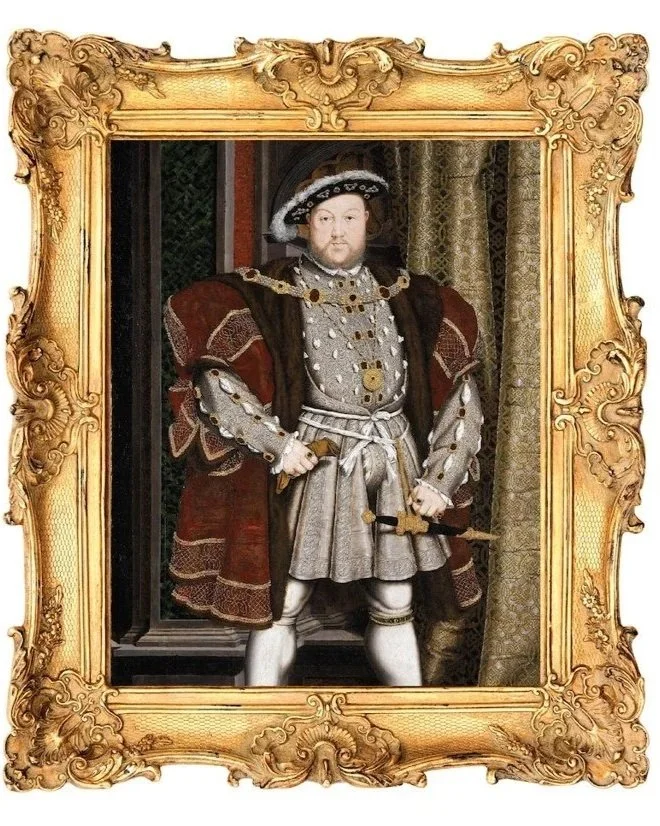
Hans Holbein - Portrait of Henry VIII (1547)
The greatest surprise wasn't discovering famous names in a family tree. It was realizing that the story of a Wisconsin farm family was connected to places and people far beyond anything the old trunk had suggested. A special thank you to Ancestry® and the countless archivists, librarians, historians, and volunteers whose work has made historical records accessible to family researchers. Their efforts transformed a box of old photographs, postcards, and family stories into a journey spanning centuries and continents.
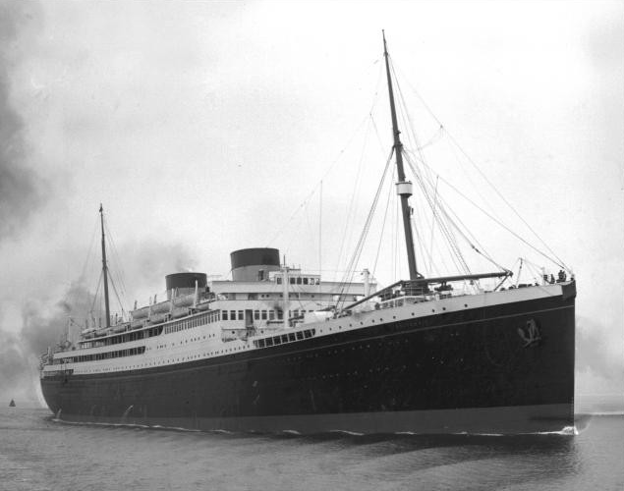
MV Britannic of the White Star Line is the vessel Fleur and Ben sailed to Europe in 1952.
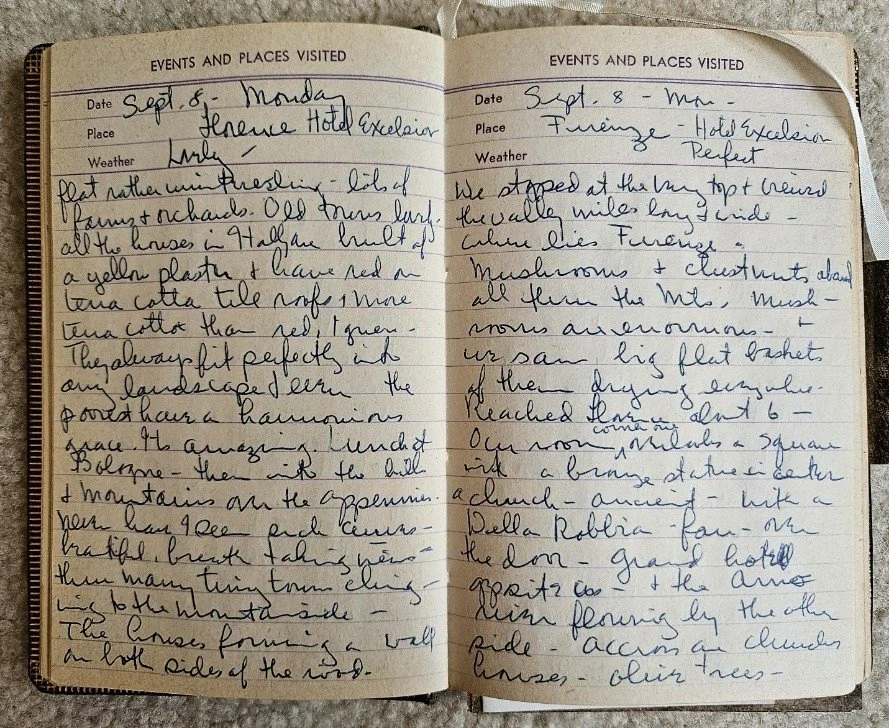
Fleur’s Journal
Two entries from Fleur’s journal referencing September stays at Excelsior Hotels in Italy.
(Anne is still looking for proof of an Excelsior Capri stay!)
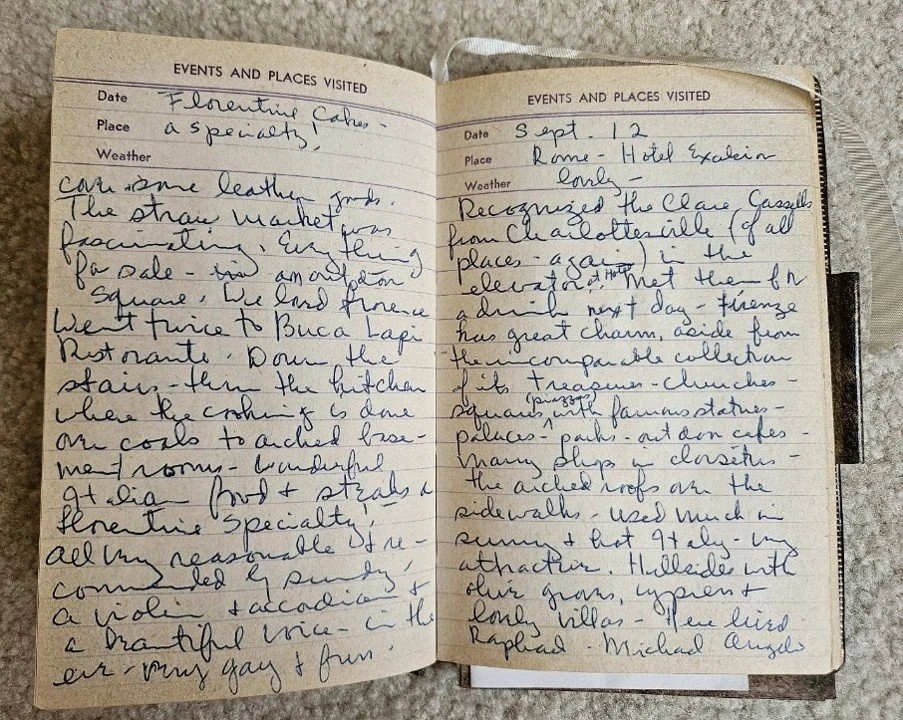
Fleur’s Journal