Emil and Betty
Season 2: Episode 6
Guest: Rick McGrath
Rick McGrath and his wife Ana, both transplants live in Beloit WI. Fully invested in Beloit they've built their small business there, put their kids through the public schools and actively participated in many volunteer community boards, commissions and other service organizations. Rick, already a lifelong fan of the art and craft of storytelling returned a phone call one day from the U.S. Army that revealed an unknown to him and long hidden family story. One that hinges on a box of letters sent, others intercepted and the remaining intentionally left to be forgotten. Now unhidden, Rick tells this story.
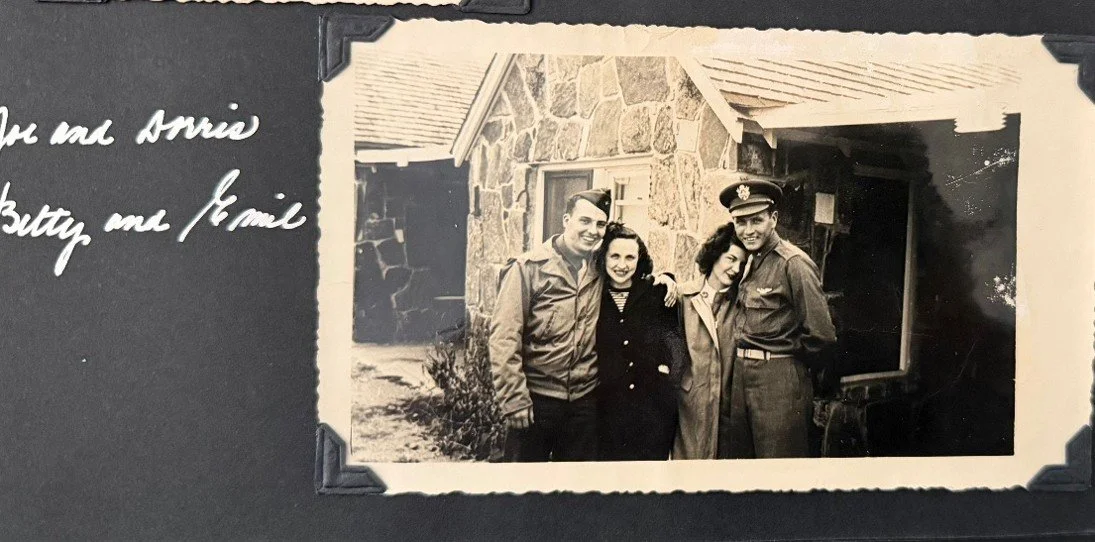
Joe and Doris, Betty and Emil
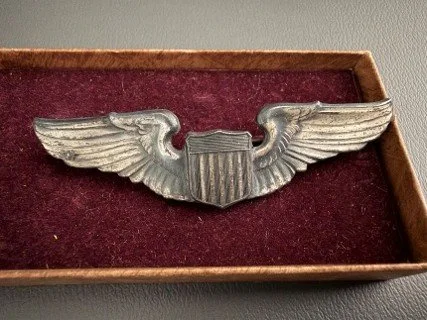
U.S. Army Air Forces Pilot Wings
This silver insignia, discovered among Emil Gentry’s personal effects, is the official U.S. Army Air Forces pilot wings worn by commissioned aviators during World War II. The design features a central shield flanked by outstretched wings, symbolizing both national service and the freedom of flight. These wings were typically made of sterling silver and pinned to the uniform above the left breast pocket. For pilots like Emil, they represented qualification, courage, and belonging to the brotherhood of airmen who flew perilous missions over the Pacific — including the long‑range raids that helped isolate Rabaul. The subdued patina visible today reflects decades of history and the enduring legacy of those who carried them into combat.
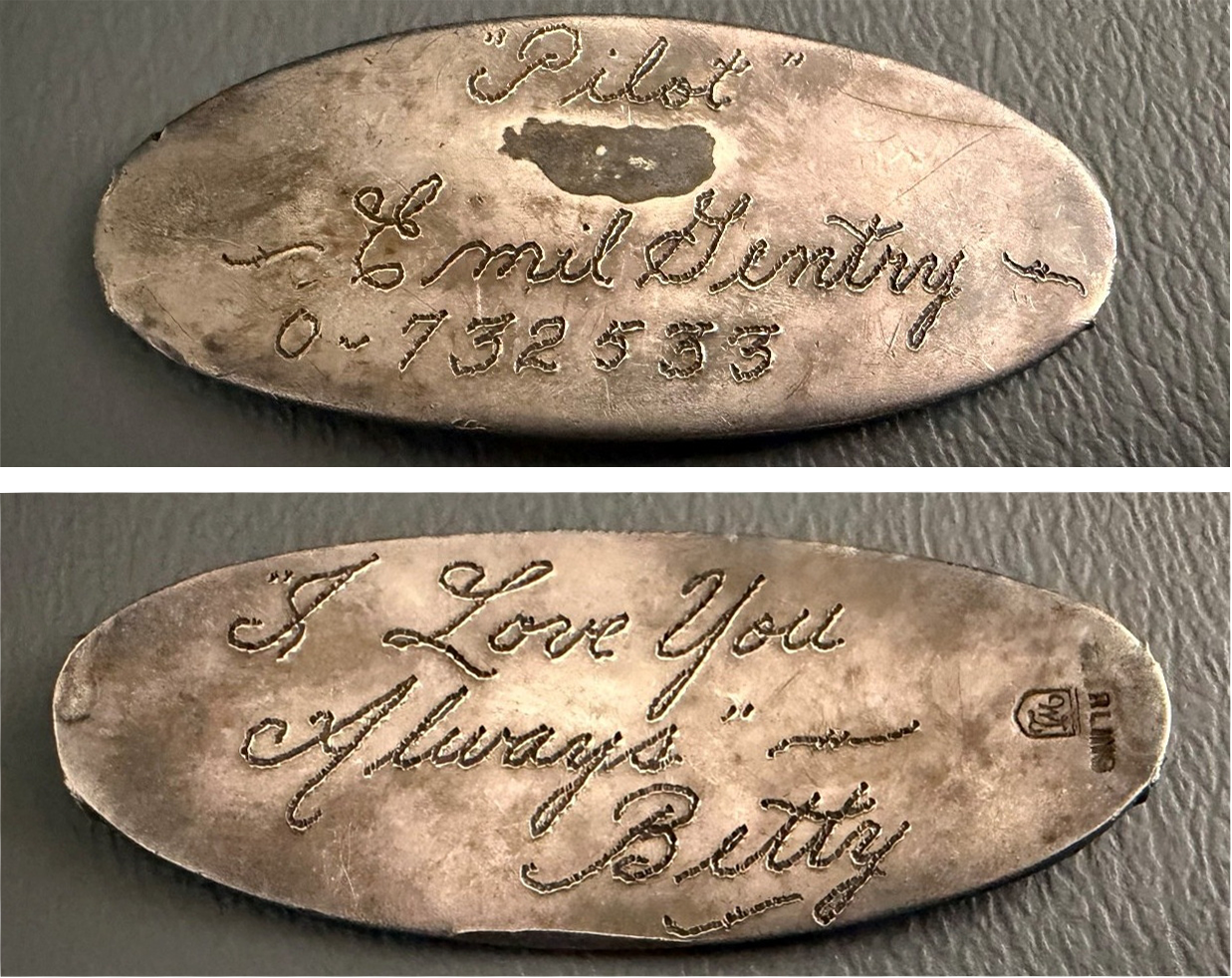
Betty’s Inscription & WWII Sweetheart Jewelry
The reverse side of Emil Gentry’s handmade tag — engraved “I Love You Always – Betty” and stamped with the Al Lind jeweler’s mark — places it firmly within the tradition of WWII sweetheart jewelry. During the war, wives and fiancées often commissioned small sterling or aluminum tokens for their airmen: pieces meant to be carried in flight jackets, tucked into pockets, or kept with personal gear during long missions. Betty’s inscription is a classic example — intimate, portable, and meant to travel with Emil into the dangerous air campaign that helped isolate Rabaul. These sweetheart pieces were emotional lifelines, reminders of home and devotion carried into combat. Emil’s tag is one of them: a handcrafted message of love that accompanied a pilot through one of the Pacific war’s most perilous theaters.
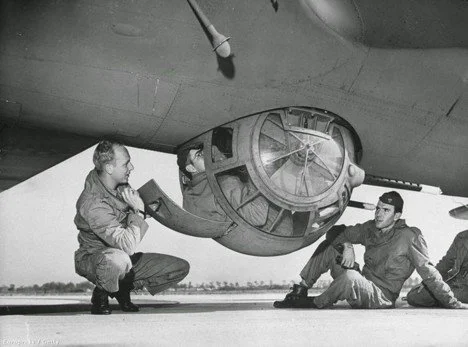
B17 Bomber Turret
U.S. Army Air Forces ground crew working around the Sperry ball turret of a B‑17 Flying Fortress, WWII (public domain).
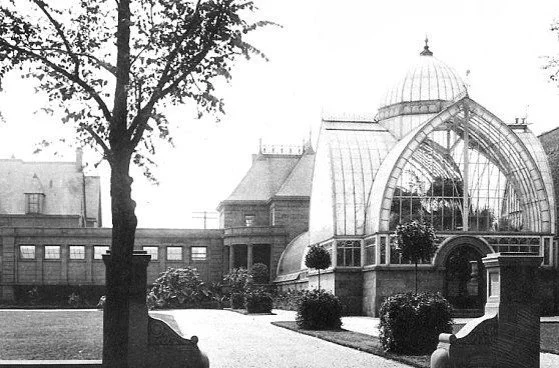
George Pullman’s Conservatory
We were unable to locate images of George Pullman’s outdoor gardens, where Rick’s grandfather worked, but this image shows the conservatory Pullman maintained inside his Prairie Avenue mansion.
About the Pullman Riots (1894)
The Pullman Riots, part of the larger Pullman Strike of 1894, began when workers at the Pullman Palace Car Company protested steep wage cuts while rents in the company town stayed high. The American Railway Union, led by Eugene V. Debs, backed the workers with a nationwide boycott of Pullman railcars, disrupting rail service across much of the country. Federal troops were sent in after violence broke out, leading to dozens of deaths and the collapse of the strike. Though unsuccessful, the Pullman conflict became a turning point in American labor history and helped spur the creation of Labor Day as a national holiday.